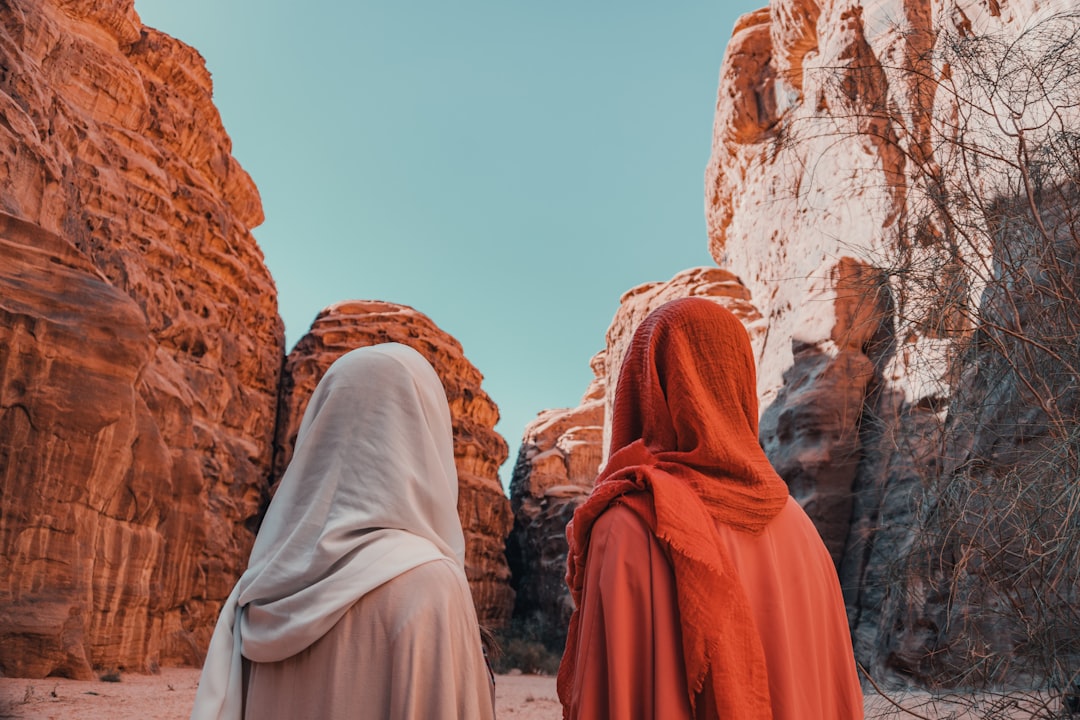

The topic of women empowerment in Saudi Arabia has gained significant attention in recent years, with the country undergoing a series of transformative changes. The journey towards empowerment is complex and multifaceted, influenced by cultural, social, and economic factors. This blog post will delve into the current state of women empowerment in Saudi Arabia, exploring the progress made, the challenges that remain, and the efforts being made to promote gender equality.
In the section titled Introduction to Women Empowerment, it is essential to understand the historical context of women's rights in Saudi Arabia. For decades, the country has been known for its strict laws and social norms that limited women's participation in public life. However, in recent years, the government has implemented various reforms aimed at promoting women's empowerment. The introduction of the Saudi Vision 2030, a comprehensive development plan, has been instrumental in driving these changes. The plan includes initiatives to increase women's participation in the workforce, improve access to education, and enhance their overall well-being. As a result, Saudi women are now able to pursue careers in fields that were previously closed to them, such as law, medicine, and engineering.
In the section titled Challenges and Opportunities, despite the progress made, there are still significant challenges that women in Saudi Arabia face. One of the major obstacles is the deeply ingrained patriarchal society, which often perpetuates gender-based discrimination. Women continue to face restrictions on their freedom of movement, with many requiring the permission of a male guardian to travel or engage in certain activities. Additionally, women's representation in leadership positions remains limited, with few women holding senior roles in government or the private sector. However, there are also opportunities for growth and development. The increasing number of women in the workforce has led to the creation of new industries and job opportunities, such as female-only gyms, beauty salons, and fashion stores. Furthermore, the rise of social media has provided a platform for women to express themselves, connect with others, and raise awareness about social issues. Many Saudi women are now using social media to challenge traditional norms and advocate for greater equality and justice.
In the section titled Conclusion and Future Outlook, as Saudi Arabia continues on its path towards women's empowerment, it is crucial to recognize the progress made while also acknowledging the challenges that remain. The government, civil society, and individuals must work together to create a more inclusive and equitable society. This can be achieved by implementing policies that promote women's participation in the workforce, education, and healthcare. It is also essential to address the social and cultural barriers that perpetuate gender-based discrimination. The role of education is critical in this regard, as it can help to challenge traditional norms and values. By providing women with access to quality education, Saudi Arabia can empower them to make informed decisions about their lives, pursue their goals and aspirations, and contribute to the country's development. As the country moves forward, it is essential to prioritize women's empowerment and gender equality, recognizing the critical role that women play in shaping the future of Saudi Arabia. Join the Arvanz.com community for more insights.