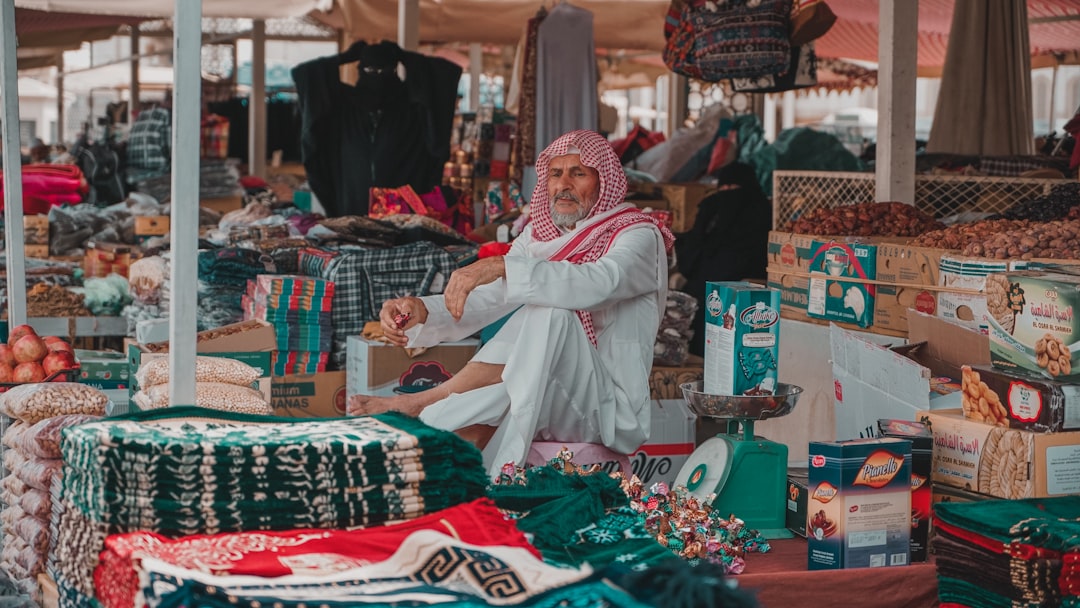

Introduction to the Saudi Food Industry The Saudi food industry has experienced significant growth in recent years, driven by a combination of factors including government support, increasing demand for food products, and investments in infrastructure. The industry is expected to continue growing, driven by a rising population, urbanization, and changing consumer preferences. In this section, we will explore the current state of the Saudi food industry, including key trends, challenges, and opportunities.
The Saudi food industry is a vital component of the country's economy, accounting for a significant percentage of the country's GDP. The industry is characterized by a diverse range of products, including grains, dairy products, meats, and processed foods. The government has implemented various initiatives to support the growth of the industry, including investments in irrigation systems, agricultural research, and food processing facilities. Additionally, the government has introduced policies to promote food security, reduce dependence on imports, and increase domestic production. As a result, the industry has experienced significant growth, with many new companies entering the market and existing ones expanding their operations.
The Saudi food industry is also driven by changing consumer preferences, with a growing demand for healthy, convenient, and affordable food products. Consumers are becoming increasingly health-conscious, driving demand for products such as organic produce, whole grains, and low-fat dairy products. Additionally, there is a growing trend towards convenience foods, with many consumers seeking out easy-to-prepare meals and snacks. The industry is responding to these trends, with many companies introducing new products and packaging formats to meet changing consumer needs.
Trends and Opportunities in the Saudi Food Industry The Saudi food industry is expected to experience significant growth in the coming years, driven by a range of trends and opportunities. One of the key trends is the growth of the halal food market, which is expected to increase significantly in the coming years. The halal food market is driven by a growing demand for halal products, both domestically and internationally, and many companies are responding by introducing new halal product lines. Another trend is the growth of e-commerce, with many consumers turning to online platforms to purchase food products. This trend is expected to continue, driven by increasing internet penetration and a growing demand for convenience.
The Saudi food industry also presents a range of opportunities for investors, including investments in food processing, packaging, and logistics. The government has introduced various initiatives to attract foreign investment, including tax incentives and subsidies for companies that establish operations in the country. Additionally, there are opportunities for companies to partner with local businesses, providing access to new markets and distribution channels. The industry also presents opportunities for innovation, with many companies introducing new products and technologies to meet changing consumer needs.
The Saudi food industry is also expected to be driven by a range of external factors, including global trends and trade agreements. The country is a member of the Gulf Cooperation Council (GCC), which provides a range of trade benefits and tariff reductions. Additionally, the country has signed a range of trade agreements, including the Saudi-US Trade Agreement, which provides access to new markets and reduces trade barriers. These agreements are expected to increase trade volumes, driving growth in the industry and providing new opportunities for exporters.
Future Outlook and Challenges for the Saudi Food Industry The Saudi food industry is expected to continue growing in the coming years, driven by a range of trends and opportunities. However, the industry also faces a range of challenges, including increasing competition, changing consumer preferences, and regulatory requirements. Companies will need to respond to these challenges by introducing new products, investing in marketing and advertising, and improving operational efficiency. Additionally, companies will need to comply with regulatory requirements, including food safety standards and labeling regulations.
The industry is also expected to be driven by a range of technological trends, including the use of robotics and automation in food processing and packaging. These technologies are expected to increase efficiency, reduce costs, and improve product quality. Additionally, there is a growing trend towards sustainable and environmentally-friendly practices, with many companies introducing eco-friendly packaging and reducing waste. The industry is also expected to be driven by a range of digital trends, including the use of social media and online platforms to engage with consumers and promote products.
In conclusion, the Saudi food industry is a vital component of the country's economy, driven by a range of trends and opportunities. The industry is expected to continue growing, driven by changing consumer preferences, government support, and investments in infrastructure. However, the industry also faces a range of challenges, including increasing competition, regulatory requirements, and technological disruptions. Companies will need to respond to these challenges by introducing new products, investing in marketing and advertising, and improving operational efficiency. Join the Arvanz.com community for more insights.