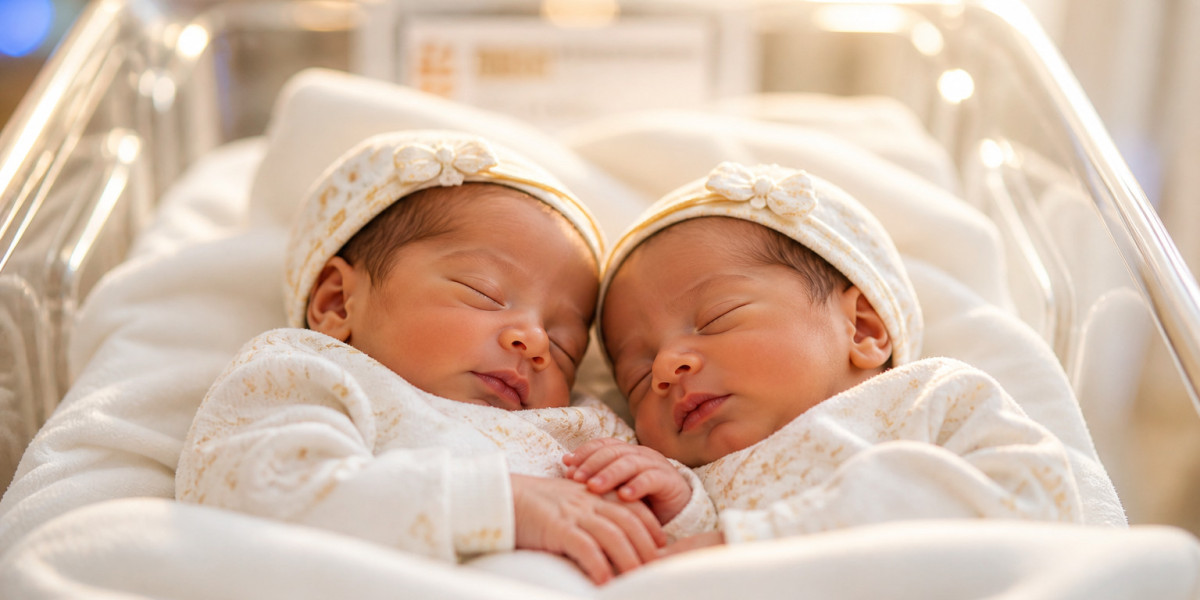

1. Twin Babies Recognize Each Other From the Womb
Research from the University of Padova, Italy found that twin fetuses intentionally reach out to touch each other as early as 14 weeks in the womb. They spend more time touching their twin than touching themselves. This means the bond between twins begins long before birth — and should be nurtured from day one.
What to do: Keep twins together as much as possible in the early weeks. Co-bedding twins has been shown to reduce stress and regulate their heartbeat and breathing.
2. Identical Twins Have Different Fingerprints
Even though identical twins share 100% of their DNA, their fingerprints are completely different. This is because fingerprints are shaped by random movements in the womb, not genetics alone.
What this means for parents: Each twin is a unique individual despite looking the same. Treat them as separate people with their own personalities and needs from the very beginning.
3. Breastfeeding Twins Is Possible — And Scientifically Recommended
The World Health Organization recommends exclusive breastfeeding for the first 6 months. Research shows that mothers of twins can produce enough milk for both babies. Tandem feeding — breastfeeding both babies simultaneously — saves up to 1.5 hours per day.
Tip: Use a twin nursing pillow. It makes tandem feeding much more manageable and comfortable.
4. Twins Sleep Better Together Initially
A study published in the journal Early Human Development found that co-bedding twins in the early weeks helps them synchronize their sleep patterns, reduces crying, and improves weight gain in premature twins.
What to do: In the first few weeks, placing twins side by side in the same crib can help both babies settle faster. Always follow safe sleep guidelines — place them on their backs, no loose bedding.
5. Talking to Your Twins Separately Is Critical for Language Development
Research shows that twins often develop language skills slightly later than singletons. This is called "twin language delay" and happens because twins spend more time interacting with each other than with adults.
Science-backed solution: Spend at least 15 minutes of one-on-one time with each twin every single day. Talk directly to each baby individually. Read books to each one separately when possible. This significantly accelerates language development.
6. Twin Babies Feel Each Other's Pain — Literally
Studies on twin empathy show that twins display stress responses when their co-twin is in pain or distress, even without seeing them. This is linked to their shared prenatal environment and early bonding.
What this means: When one twin is sick or upset, monitor the other twin closely too. Their stress levels often rise simultaneously.
7. Establishing a Synchronized Schedule Is the Key to Survival
Sleep experts and pediatricians universally agree — the single most important thing parents of twins can do is synchronize their babies' schedules. Feed them at the same time. Put them to sleep at the same time. Wake them at the same time.
Why it works: When one twin wakes at night to feed, wake the other one too. It sounds counterintuitive, but it means you only have one wakeful period per night instead of two.
8. Premature Birth Is Common — Be Prepared
Over 60% of twins are born premature before 37 weeks. Premature twins may spend time in the NICU, and parents should be mentally and practically prepared for this possibility.
What to do:
Pack your hospital bag early, from week 28
Learn about kangaroo care — skin-to-skin contact dramatically improves outcomes for premature babies
Ask your doctor about steroid injections to accelerate lung development if early delivery is expected
9. Fathers of Twins Experience Higher Stress Than Fathers of Singletons
A University of Michigan study found that fathers of twins report significantly higher stress levels, particularly around finances and time management. This stress, if unaddressed, can affect the entire family's wellbeing.
Solution: Build your support network early. Accept help from family and friends. Divide responsibilities clearly between both parents. And most importantly — communicate openly with your partner every day.
10. Twin Bonds Are the Strongest Human Bonds in Existence
Psychologists have found that the twin relationship is neurologically unique. Twins show greater emotional attunement, empathy, and lifelong loyalty to each other than any other human relationship — including parent-child bonds in some studies.
What this means for you as a parent: You are raising two people who will be each other's greatest support system for life. Encourage their bond. Never compare them. Celebrate their differences as much as their similarities.
Final Thoughts
Raising twins is not just double the work — it is double the love, double the milestones, and double the memories. Science confirms what twin parents already know in their hearts: these two souls chose each other before they even took their first breath.
Are you a parent of twins? Share your experience in the comments below and join our growing community at Arvanz.com
Published by Arvanz Team | arvanz.com | Your Empire Starts Here