
The Most Connected Generation Feels the Most Alone
In 2026, technology has reached a level humanity once imagined only in science fiction. Artificial intelligence writes content, edits videos, answers questions, creates music, manages businesses, and even talks like a real human. Social media platforms have become smarter, faster, and more addictive than ever before.
But something unexpected is happening.
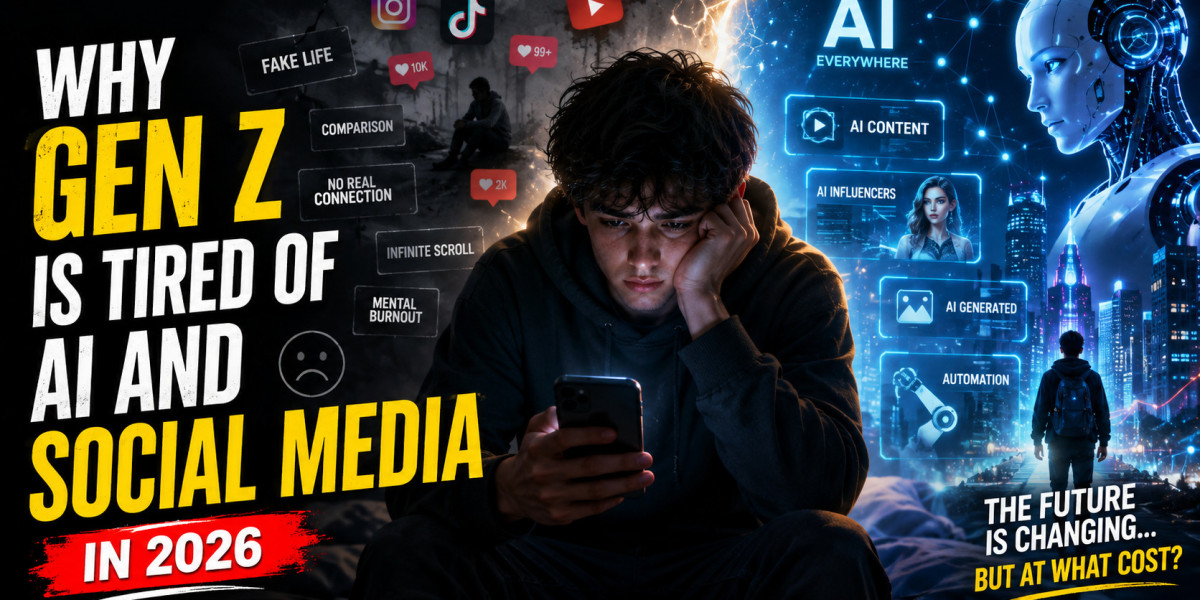
Generation Z, the same generation that grew up surrounded by smartphones, TikTok-style videos, AI assistants, and digital lifestyles, is starting to feel exhausted by it all.
Many young people are quietly stepping back from constant scrolling, endless notifications, fake online lifestyles, and AI-generated everything. Across the internet, people are talking about burnout, loneliness, mental overload, and the feeling that modern life has become too artificial.
So why is this happening?
Why is the generation that grew up online becoming tired of the digital world?
Let’s explore the reality behind one of the biggest cultural shifts of 2026.
---
The Internet No Longer Feels Human
A few years ago, social media felt exciting.
People shared real moments, personal thoughts, creativity, humor, and genuine experiences. The internet felt alive.
But in 2026, many platforms feel heavily automated.
AI now generates:
Videos
Photos
Comments
Voiceovers
Influencer content
News articles
Music
Conversations
Sometimes it becomes difficult to know what is real anymore.
Many Gen Z users say their feeds now feel repetitive and emotionally empty. Algorithms constantly push content designed only to keep attention for a few more seconds.
Instead of feeling inspired, people often feel mentally drained.
The internet became faster, but less personal.
---
Social Media Burnout Is Real
Gen Z spends more time online than any generation before them.
But constant connection comes with hidden consequences.
Every day millions of young people wake up and immediately see:
Perfect lifestyles
Luxury vacations
Unreal beauty standards
Fake success stories
AI-edited photos
Viral comparison culture
Over time, this creates emotional pressure.
People begin comparing their real life to artificial online perfection.
Many feel like they are falling behind financially, socially, or emotionally, even when their lives are completely normal.
This nonstop comparison culture is one reason why anxiety and digital burnout are increasing globally.
---
AI Content Is Everywhere
In 2026, AI tools can create almost anything instantly.
That sounds impressive, but it also creates a new problem: too much content.
Every minute, thousands of AI-generated blogs, videos, ads, and images flood the internet. Because of this, users feel overwhelmed by low-quality repetition.
People are starting to miss originality.
They miss:
Real stories
Human emotions
Honest experiences
Imperfect creativity
Natural conversations
Ironically, the rise of AI is making human authenticity more valuable than ever before.
---
Gen Z Wants Real Connections Again
One of the biggest trends of 2026 is the return of offline experiences.
Many young people are now:
Spending less time on social media
Turning off notifications
Taking digital detox breaks
Meeting friends in real life
Reading physical books
Traveling without posting everything online
Focusing on mental peace
This doesn’t mean Gen Z hates technology.
It means they are learning that balance matters.
People want technology to improve life, not control it.
---
The Pressure to Always Be Productive
AI has also changed work culture.
Today, people constantly hear things like:
“Work faster”
“Use AI tools”
“Automate everything”
“Post daily”
“Build your personal brand”
This creates pressure to always be productive.
Many young creators feel like they must constantly upload content just to stay relevant online. The internet rewards speed, trends, and attention.
But humans are not machines.
Eventually, mental exhaustion appears.
This is why more people are rejecting hustle culture and choosing slower, healthier lifestyles.
---
Loneliness in the Digital Era
Despite having unlimited communication tools, many people feel more isolated than ever.
Why?
Because digital interaction is not always emotional connection.
Likes, views, and followers cannot replace:
Real friendships
Face-to-face conversations
Family bonding
Emotional understanding
Some studies now suggest that excessive social media use can increase feelings of loneliness and emotional dissatisfaction.
Many Gen Z users are beginning to realize this reality.
---
The Rise of “Quiet Internet”
A new movement is slowly growing online.
Some people call it:
Quiet Internet
Slow Living
Digital Minimalism
Offline Culture
The idea is simple: use technology intentionally instead of constantly.
People are becoming more selective about:
What they watch
Who they follow
How much time they spend online
Which apps actually improve their lives
This trend may become one of the biggest lifestyle changes of the next decade.
---
Does This Mean AI Is Bad?
Not at all.
AI is one of the most powerful technologies ever created.
It helps people:
Learn faster
Build businesses
Create content
Solve problems
Improve healthcare
Save time
The problem is not AI itself.
The real challenge is how humans use technology.
When technology replaces human meaning, emotional health suffers.
But when technology supports creativity, education, and real life, it becomes incredibly valuable.
The future is not humans versus AI.
The future is humans learning how to live with AI in a healthy way.
---
What the Future May Look Like
In the coming years, we may see:
Smaller social media communities
More private online spaces
Greater focus on mental health
Increased demand for authentic creators
More offline experiences
Human-centered technology design
People are starting to value peace, authenticity, and emotional connection more than internet popularity.
That shift could completely change the future of digital culture.
---
Final Thoughts
Generation Z is not abandoning technology.
They are simply becoming more aware of its emotional cost.
For years, the internet promised connection, entertainment, and opportunity. And it delivered many amazing things.
But now, many young people are asking deeper questions:
Is constant scrolling making us happier?
Are online lifestyles real?
Can AI replace human creativity?
What actually matters in life?
These questions are shaping the future of society in 2026.
The world may become more digital every year, but human emotions, relationships, creativity, and meaning still matter more than algorithms.
And perhaps that realization is exactly why Gen Z is finally slowing down.