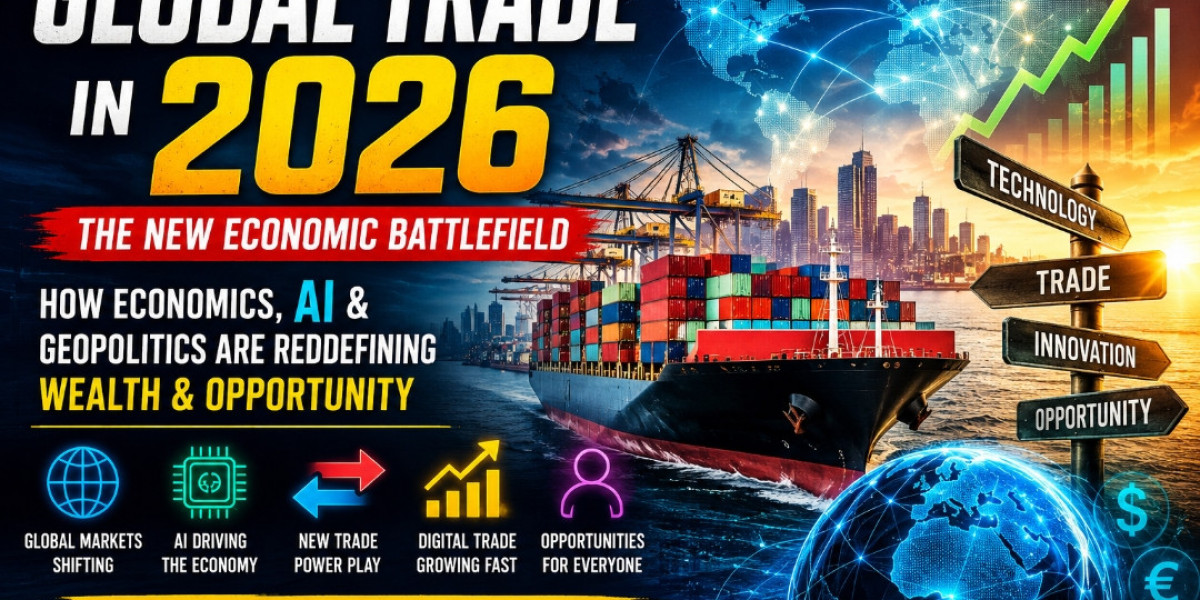

How Economics, AI, and Geopolitics Are Redefining Wealth and Opportunity
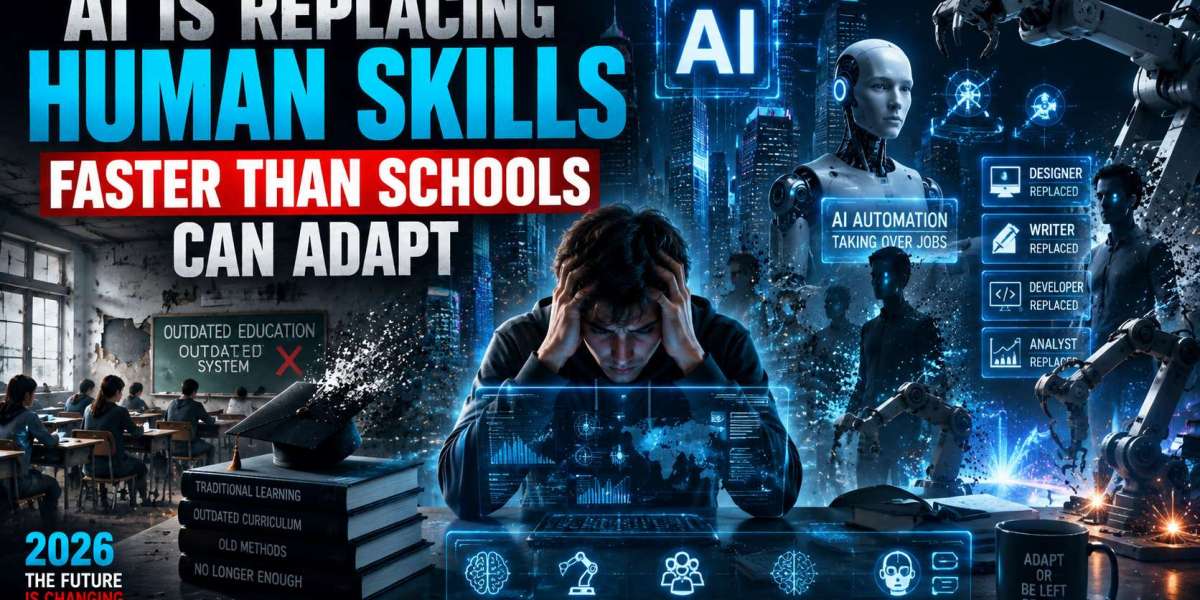
The global economy in 2026 is no longer just about supply and demand — it’s about speed, technology, and control.
From digital trade wars to AI-powered production, the rules of economics are being rewritten in real time. Countries are competing not just with resources, but with innovation, data, and influence.
So what does this mean for you?
Whether you're an entrepreneur, freelancer, or job seeker — understanding modern trade is no longer optional. It’s your competitive advantage.
---
? The Shift: From Traditional Trade to Digital Dominance
In the past, global trade was about physical goods — oil, machinery, agriculture.
Today?
? Trade is increasingly digital.
We are seeing massive growth in:
Digital services exports
AI-powered products
Remote work economies
Cross-border freelancing
E-commerce without borders
Countries like the United States, China, and India are leading the race — not just in production, but in digital infrastructure and innovation.
---
⚖️ The New Trade War: Technology vs Resources
The biggest economic battle today is not about land — it’s about technology control.
Key areas shaping global trade:
Artificial Intelligence
Semiconductor chips
Cloud computing
Renewable energy technology
Nations investing heavily in these sectors are gaining long-term economic power.
? This is why tech companies are now as powerful as countries.
---
? What This Means for Jobs and Income
Global trade is directly impacting how people earn money in 2026.
Here’s the reality:
Traditional jobs are becoming globalized
Freelancers are competing worldwide
Remote work is the new normal
AI is increasing productivity — but also competition
The result?
? Opportunities are bigger than ever — but so is the competition.
---
? The Rise of the “Global Individual Economy”
One of the biggest economic transformations is the rise of individuals participating in global trade.
Today, a single person can:
Run an international e-commerce store
Offer services to global clients
Build a digital brand
Earn in foreign currencies
Platforms like freelancing marketplaces, content platforms, and digital stores have turned individuals into micro-exporters.
---
? Emerging Markets Are Winning Big
Developing countries are no longer just labor providers — they are becoming digital economies.
Countries in South Asia, Africa, and Southeast Asia are growing fast due to:
Young populations
Internet access
Freelancing culture
Lower operational costs
? This is creating a powerful shift in global wealth distribution.
---
? The Hidden Opportunity Most People Miss
While many focus on fear — job loss, automation, economic uncertainty — smart individuals are focusing on leverage.
Here’s the truth:
? The biggest winners in 2026 are not the richest — they are the most adaptable.
Opportunities right now include:
AI-powered digital businesses
Niche content creation
Cross-border freelancing
Digital marketing services
Online education and coaching
---
? Skills That Will Define Economic Success
To thrive in the new global trade economy, you need more than just knowledge.
You need adaptability + digital intelligence.
Focus on:
1. Economic Awareness
Understanding global trends, currencies, and markets.
2. Digital Skills
AI tools, automation, online platforms.
3. Communication
Working with international clients.
4. Strategic Thinking
Seeing opportunities where others see problems.
---
⚠️ The Risk: Falling Behind
The global economy is rewarding speed and adaptation.
Those who ignore change are facing:
Reduced job security
Lower income growth
Limited opportunities
? The gap between adaptable and non-adaptable people is growing rapidly.
---
? Final Insight: The Future Belongs to the Connected
Global trade in 2026 is not controlled only by governments — it is shaped by connected individuals.
The internet, AI, and digital platforms have removed traditional barriers.
Now the question is not:
❌ “Which country has the most power?”
The real question is:
? “Who understands the system — and uses it best?”