
The Gulf aviation sector has experienced significant growth in recent years, and the trend is expected to continue in the coming years. The region's strategic location, combined with its modern airport infrastructure and business-friendly environment, have made it an attractive hub for international air travel and cargo transportation. In this blog post, we will explore the current state of the Gulf aviation sector and the expansion plans that are underway.
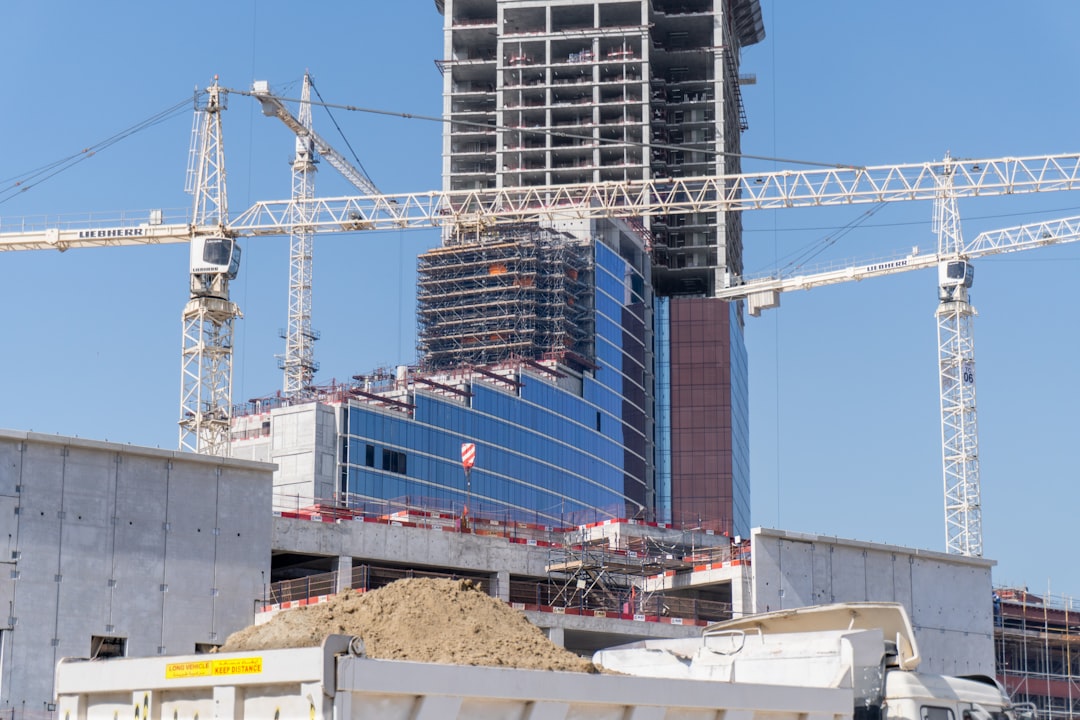
Expansion and Development is the first step towards growth, the Gulf aviation sector is undergoing significant expansion and development. The region's major airports, such as Dubai International Airport, Abu Dhabi International Airport, and Doha Hamad International Airport, are investing heavily in infrastructure development to increase their capacity and improve their facilities. For example, Dubai International Airport is planning to expand its terminal capacity to 90 million passengers per year by the end of 2026, while Abu Dhabi International Airport is investing in a new terminal building that will increase its capacity to 45 million passengers per year. Similarly, Doha Hamad International Airport is expanding its terminal capacity to 60 million passengers per year. These expansion plans are expected to increase the region's air traffic capacity and enhance its position as a major hub for international air travel.
The Gulf region is also home to some of the world's fastest-growing airlines, including Emirates, Qatar Airways, and Etihad Airways. These airlines have been rapidly expanding their fleets and route networks in recent years, and are expected to continue to do so in the coming years. For example, Emirates has ordered over 200 new aircraft, including the Airbus A380 and the Boeing 777, while Qatar Airways has ordered over 300 new aircraft, including the Airbus A350 and the Boeing 787. Etihad Airways has also ordered over 200 new aircraft, including the Airbus A350 and the Boeing 787. These new aircraft will enable the airlines to increase their capacity and offer more flights to destinations around the world. In addition to the expansion of the airlines, the Gulf region is also seeing significant investment in airport development, with new airports being built and existing ones being upgraded. For instance, the new airport in Dubai, known as Al Maktoum International Airport, is being developed as a major cargo hub, while the existing airports in Abu Dhabi and Doha are being upgraded to increase their capacity and efficiency.
Airport Development and Airline Expansion are crucial for any region to grow, the Gulf aviation sector is seeing significant investment in airport development and airline expansion. The region's airports are being upgraded with the latest technology and facilities, including automated check-in and baggage handling systems, to improve the passenger experience and increase efficiency. The airlines are also investing in new aircraft and technologies, such as in-flight entertainment systems and mobile check-in, to enhance the passenger experience. Furthermore, the region's airports are being developed as major hubs for cargo transportation, with state-of-the-art cargo handling facilities and logistics services being established. For example, Dubai International Airport has established a major cargo hub, known as the Dubai Logistics City, which offers a range of cargo handling and logistics services to airlines and freight forwarders. Similarly, Abu Dhabi International Airport has established a cargo village, which offers a range of cargo handling and logistics services to airlines and freight forwarders.
Economic Benefits and Future Outlook, the expansion of the Gulf aviation sector is expected to have significant economic benefits for the region. The growth of the aviation sector is expected to create thousands of new jobs, both directly and indirectly, and to stimulate economic growth through the creation of new businesses and investment opportunities. The expansion of the aviation sector is also expected to increase the region's connectivity with the rest of the world, making it easier for people and goods to travel to and from the region. This, in turn, is expected to increase trade and tourism in the region, which will have a positive impact on the local economy. In addition to the economic benefits, the expansion of the Gulf aviation sector is also expected to have a positive impact on the environment. The airlines and airports in the region are investing in new technologies and initiatives to reduce their carbon footprint and minimize their impact on the environment. For instance, some airlines are using more fuel-efficient aircraft, while others are investing in solar power and other renewable energy sources to reduce their reliance on fossil fuels.
In conclusion, the Gulf aviation sector is undergoing significant expansion and development, driven by the growth of the region's major airports and airlines. The expansion of the aviation sector is expected to have significant economic benefits for the region, including the creation of new jobs and the stimulation of economic growth. The region's airports and airlines are also investing in new technologies and initiatives to reduce their environmental impact and improve the passenger experience. As the Gulf aviation sector continues to grow and develop, it is likely to play an increasingly important role in the regional economy and to become a major hub for international air travel and cargo transportation. Join the Arvanz.com community for more insights.