
The world is changing faster than ever before.
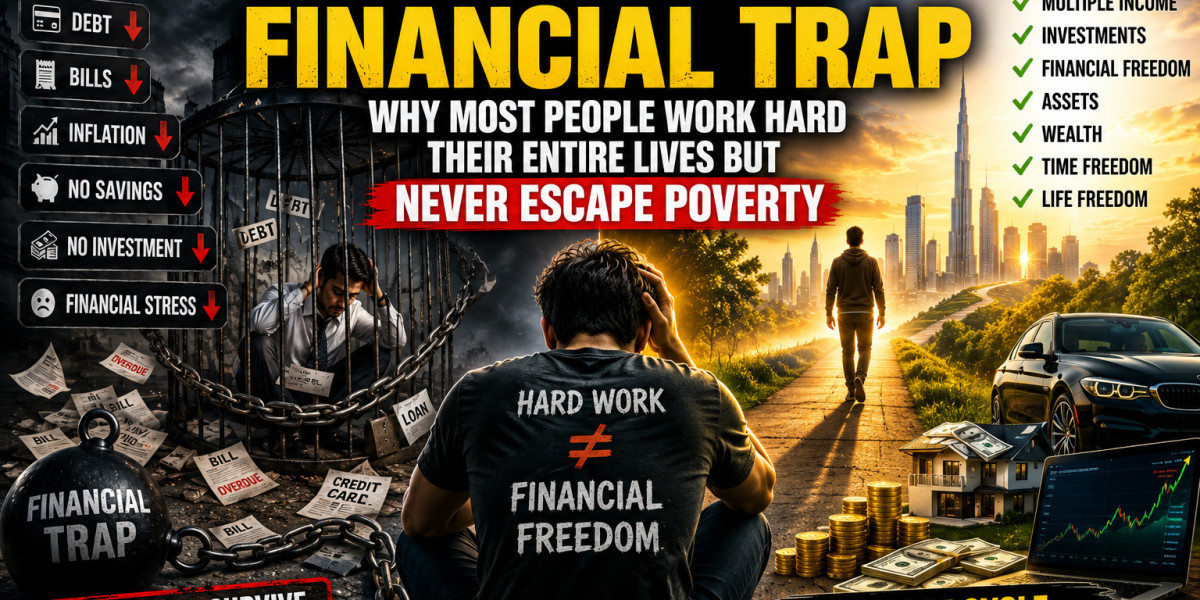
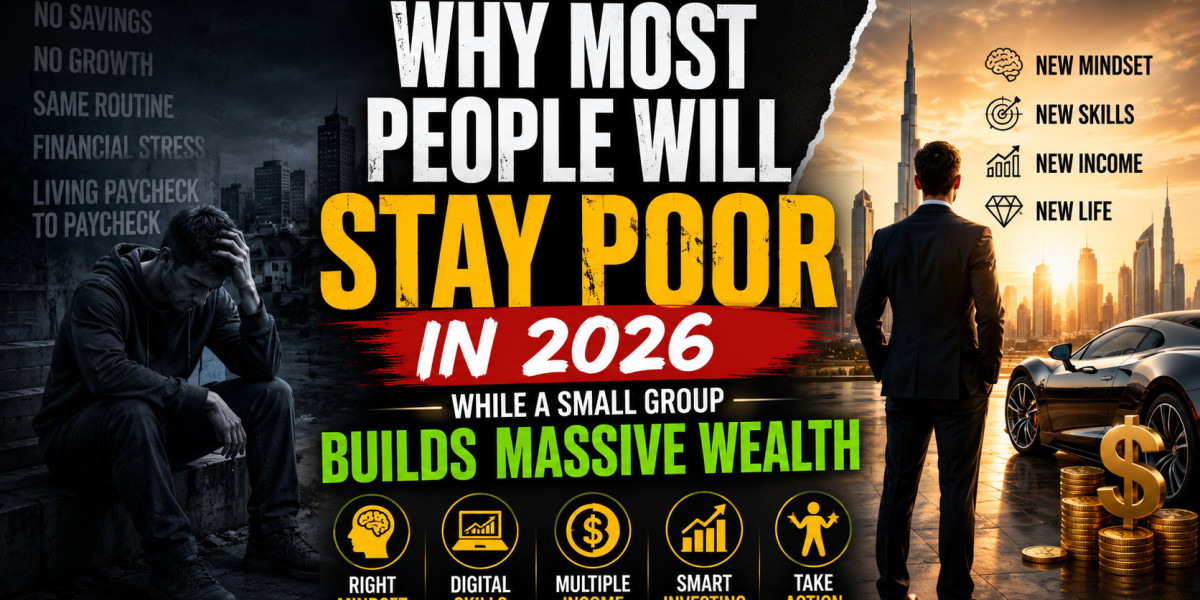
By 2026, millions of people may still be trapped in financial struggle, living paycheck to paycheck, while a smaller, smarter group quietly builds extraordinary wealth.
This is not just about luck.
It’s about mindset, strategy, and adaptation.
The uncomfortable truth is this:
The future economy is not rewarding everyone equally.
Those who understand the new rules are positioning themselves for financial freedom. Those who ignore them risk being left behind.
The Wealth Gap Is Growing Faster Than Ever
Traditional paths to success are no longer as reliable as they once were.
For decades, people believed:
Go to school
Get a stable job
Work hard
Save money
Retire safely
But in today’s digital economy, that formula is becoming outdated.
Automation, AI, inflation, and global competition are reshaping everything.
Many jobs are becoming less secure.
Costs are rising.
Opportunities are shifting online.
Meanwhile, those who leverage technology, entrepreneurship, and digital assets are accelerating their wealth.
Why Most People May Stay Financially Stuck
1. They Depend Only on One Income Source
Relying solely on a salary has become increasingly risky.
If your income depends entirely on one employer, one market, or one skill, your financial security is fragile.
The wealthy increasingly build:
Side businesses
Investments
Freelance income
Digital products
Personal brands
Multiple income streams create resilience.
2. They Consume More Than They Create
Many people spend heavily on:
Entertainment
Trends
Social validation
Consumer goods
Meanwhile, wealth builders focus on creating:
Businesses
Valuable content
Skills
Systems
Investments
Consumers often stay in cycles of dependency. Creators build leverage.
3. They Ignore Digital Transformation
AI, automation, remote work, and digital commerce are creating massive new wealth channels.
Those learning:
AI tools
E-commerce
Content creation
Digital marketing
Automation workflows
are preparing for the next era.
Those resisting change may struggle as industries evolve.
The Small Group Building Massive Wealth
So what separates the financially rising few?
They Think Long-Term
They understand short-term comfort can destroy long-term success.
They prioritize:
Skill development
Networking
Investing
Brand building
Strategic risks
They Move Fast
The digital world rewards speed.
New opportunities appear constantly:
Viral content
AI services
Online stores
Freelancing
Startups
Those who act early often gain the biggest rewards.
They Build Assets
Instead of only trading time for money, they build things that generate ongoing returns:
Websites
Courses
Social audiences
Automated businesses
Investments
Assets create scalable wealth.
The New Currency: Skills + Attention + Adaptability
In 2026, wealth may increasingly belong to those who master three things:
Skills
Practical, monetizable abilities
Attention
Building audiences, influence, or visibility
Adaptability
Adjusting quickly to changing markets
This is why digital entrepreneurs, creators, and strategic workers may outperform traditional earners.
Can Anyone Join the Wealth-Building Group?
Yes, but it requires intentional change.
You may need to:
Learn modern digital skills
Develop financial discipline
Start side hustles
Think globally
Take calculated risks
Build something beyond employment
The barrier is often not intelligence.
It is action.
Final Thoughts
2026 may widen the divide between those who adapt and those who remain passive.
Many will continue struggling, not because success is impossible, but because old strategies may no longer be enough.
At the same time, a smaller group is already preparing.
They are learning.
Building.
Investing.
Creating.
The question is:
Which group will you choose to become part of?
Because the future may not simply be about working harder.
It may be about working smarter, moving faster, and building differently.