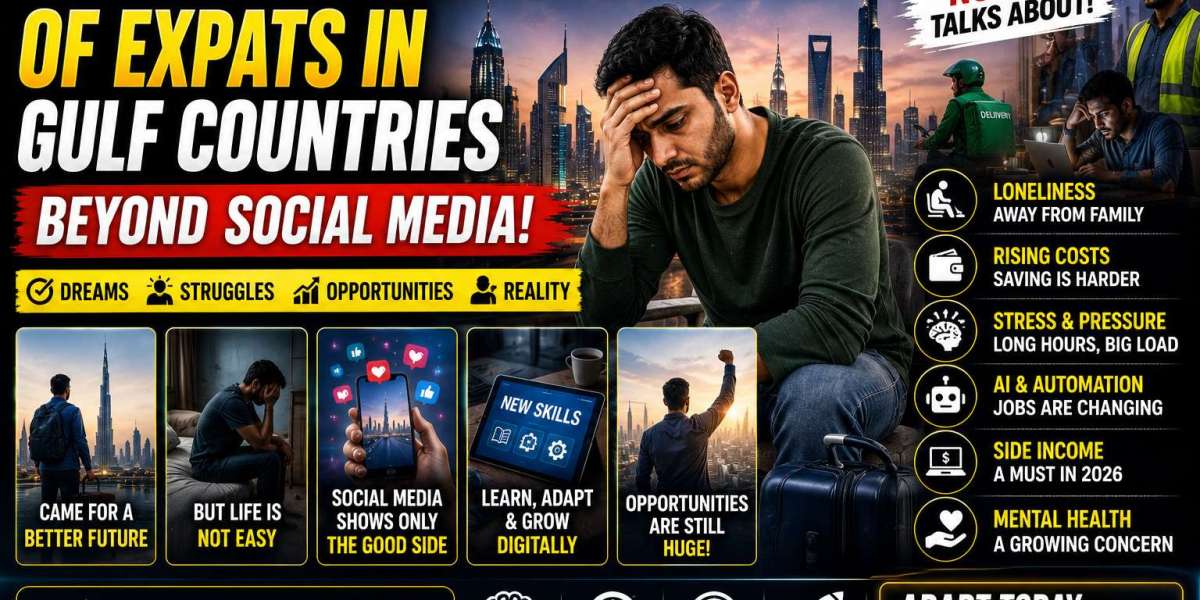

The Gulf region has been at the forefront of technological advancements in recent years, with Artificial Intelligence (AI) being a key driver of innovation. As AI continues to transform industries and economies, there is a growing concern about its impact on job markets. In this blog post, we will explore the effects of AI on employment in the Gulf region, and what this means for the future of work.
Introduction to AI and Job Markets The Gulf region has made significant investments in AI research and development, with countries such as the United Arab Emirates and Saudi Arabia leading the charge. AI has the potential to increase productivity, efficiency, and competitiveness in various sectors, including finance, healthcare, and education. However, there are also concerns that AI could displace human workers, particularly in jobs that involve repetitive or routine tasks. According to a report by the McKinsey Global Institute, up to 45 percent of work activities can be automated using current technology, which could lead to significant job losses. On the other hand, AI could also create new job opportunities in fields such as data science, machine learning, and AI development. In the Gulf region, there are already signs that AI is changing the job market. For example, many companies in the region are using AI-powered chatbots to handle customer service inquiries, which has reduced the need for human customer support agents. Similarly, AI-powered tools are being used in the financial sector to analyze data and make investment decisions, which has reduced the need for human analysts. However, it is also important to note that AI is not just a replacement for human workers, but also a tool that can augment human capabilities. For instance, AI can help doctors diagnose diseases more accurately, and can assist teachers in developing personalized learning plans for their students. The impact of AI on job markets in the Gulf region is complex and multifaceted. While there are certainly risks associated with job displacement, there are also opportunities for workers to develop new skills and adapt to the changing job market. Governments and companies in the region can play a key role in supporting workers through this transition, by providing training and education programs that help workers develop the skills they need to thrive in an AI-driven economy.
The Future of Work in the Gulf Region As AI continues to advance, it is likely to have a profound impact on the future of work in the Gulf region. One of the key challenges will be to ensure that workers have the skills they need to compete in an AI-driven job market. This will require significant investments in education and training programs, as well as a shift in the way that we think about work and employment. For example, there may be a greater emphasis on lifelong learning, as workers will need to continually update their skills to remain relevant in the job market. Another key challenge will be to address the social and economic implications of AI-driven job displacement. This could involve the development of new social safety nets, such as universal basic income or job retraining programs, to support workers who lose their jobs due to automation. It will also require a fundamental rethink of the way that we approach economic development and job creation in the region. For instance, there may be a greater emphasis on entrepreneurship and innovation, as well as a focus on creating jobs in sectors that are less susceptible to automation. The Gulf region has a unique opportunity to shape the future of work and to create a prosperous and sustainable economy that benefits all members of society. By investing in AI research and development, and by supporting workers through the transition to an AI-driven job market, governments and companies in the region can help to create a future that is both exciting and prosperous. Additionally, it is essential for policymakers to develop and implement regulations that promote the responsible development and use of AI, and to ensure that the benefits of AI are shared by all. In conclusion, the impact of AI on job markets in the Gulf region is complex and multifaceted, and it will require a comprehensive and coordinated response from governments, companies, and individuals. By working together, we can ensure that the benefits of AI are shared by all, and that the region remains a hub of innovation and prosperity for generations to come.
Implications and Recommendations for the Gulf Region The implications of AI on job markets in the Gulf region are far-reaching and will require a significant shift in the way that we approach work and employment. One of the key implications is the need for workers to develop new skills, such as data analysis, machine learning, and programming. This will require significant investments in education and training programs, as well as a shift in the way that we think about work and employment. Another key implication is the need for governments and companies to develop and implement policies that support workers through the transition to an AI-driven job market. This could involve the development of new social safety nets, such as universal basic income or job retraining programs, to support workers who lose their jobs due to automation. It will also require a fundamental rethink of the way that we approach economic development and job creation in the region. In order to mitigate the negative impacts of AI on job markets, governments and companies in the Gulf region should consider the following recommendations. First, they should invest in education and training programs that help workers develop the skills they need to thrive in an AI-driven economy. Second, they should develop and implement policies that support workers through the transition to an AI-driven job market, such as universal basic income or job retraining programs. Third, they should promote entrepreneurship and innovation, and focus on creating jobs in sectors that are less susceptible to automation. By following these recommendations, governments and companies in the Gulf region can help to create a future that is both exciting and prosperous, and ensure that the benefits of AI are shared by all. In addition, individuals should be proactive in developing their skills and staying adaptable in a rapidly changing job market. By working together, we can ensure that the Gulf region remains a hub of innovation and prosperity for generations to come. Join the Arvanz.com community for more insights.