
Introduction to Gulf Economy Growth The Gulf region has experienced significant economic growth in recent years, driven by a combination of factors including large-scale investment in infrastructure, a diversification of industries, and a strategic location at the crossroads of major trade routes. The region's economies have also been supported by high oil prices, which have generated significant revenue for the oil-rich countries of the Gulf. However, in recent years, there has been a growing recognition of the need to reduce dependence on oil exports and to develop more diversified economies. This has led to a range of initiatives aimed at promoting economic diversification, including investments in tourism, manufacturing, and technology.
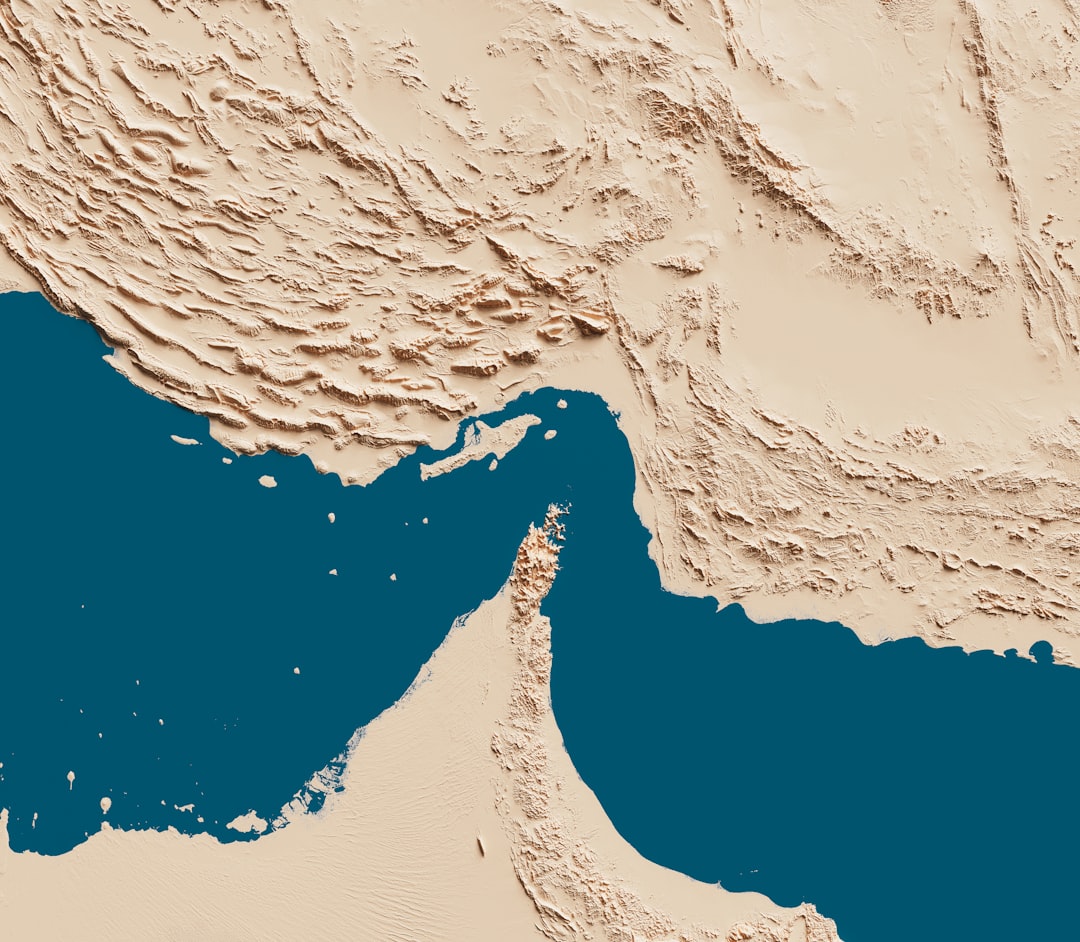
As a result of these efforts, the Gulf economies have made significant progress in recent years, with many countries in the region experiencing rapid economic growth. The United Arab Emirates, for example, has emerged as a major business hub, with a highly developed financial sector and a thriving tourism industry. Saudi Arabia, meanwhile, has launched a range of initiatives aimed at promoting economic diversification, including investments in renewable energy and manufacturing. Other countries in the region, such as Qatar and Bahrain, have also made significant progress in developing their economies, with a focus on areas such as finance, tourism, and logistics. The growth of the Gulf economies has also been driven by the increasing importance of the region as a trade hub, with many countries in the region strategically located at the crossroads of major trade routes. The Gulf region is an important gateway between Europe, Asia, and Africa, and its ports and airports are among the busiest in the world. This has made the region an attractive location for businesses looking to trade with countries in these regions.
Outlook and Opportunities for Investors The outlook for the Gulf economies is positive, with many analysts predicting continued economic growth in the years ahead. The region's economies are expected to be driven by a range of factors, including large-scale investment in infrastructure, a growing population, and an increasing importance as a trade hub. The region's governments are also investing heavily in initiatives aimed at promoting economic diversification, such as investments in tourism, manufacturing, and technology. These initiatives are expected to create new opportunities for businesses and investors, both within the region and internationally. The Gulf region is also expected to benefit from its strategic location, with many countries in the region well-placed to take advantage of the growing trade between Asia, Europe, and Africa. The region's ports and airports are among the busiest in the world, and its location at the crossroads of major trade routes makes it an important gateway for goods and services. For investors, the Gulf region offers a range of opportunities, from investing in the region's growing tourism industry to taking advantage of the increasing importance of the region as a trade hub. The region's governments are also offering a range of incentives to attract foreign investment, including tax breaks, subsidies, and other forms of support. These incentives are designed to attract businesses and investors to the region, and to support the development of the region's economies. Overall, the Gulf economies offer a range of exciting opportunities for investors, with a growing and diversifying economy, a strategic location, and a range of incentives to attract foreign investment.
Challenges and Future Directions Despite the many opportunities offered by the Gulf economies, there are also a number of challenges that need to be addressed. One of the main challenges facing the region is the need to reduce dependence on oil exports, which have traditionally been the main driver of economic growth. The region's economies are also vulnerable to fluctuations in the global economy, and to changes in the price of oil. To address these challenges, the region's governments are investing in initiatives aimed at promoting economic diversification, such as investments in tourism, manufacturing, and technology. They are also working to improve the business environment, by reducing bureaucracy, improving the regulatory framework, and increasing transparency. The region's governments are also investing in education and training, to develop the skills and knowledge of the workforce, and to support the development of the region's economies. Another challenge facing the region is the need to address the social and environmental impacts of economic growth. The region's economies are growing rapidly, but this growth is also putting pressure on the region's infrastructure, and on its natural resources. To address these challenges, the region's governments are investing in initiatives aimed at promoting sustainable development, such as investments in renewable energy, and initiatives to reduce waste and pollution. Overall, the Gulf economies offer a range of exciting opportunities for investors, but they also pose a number of challenges that need to be addressed. By understanding these challenges, and by working to address them, it is possible to support the development of the region's economies, and to promote sustainable economic growth. The region's governments, businesses, and investors all have a role to play in supporting the development of the Gulf economies, and in promoting economic growth and diversification. Join the Arvanz.com community for more insights.