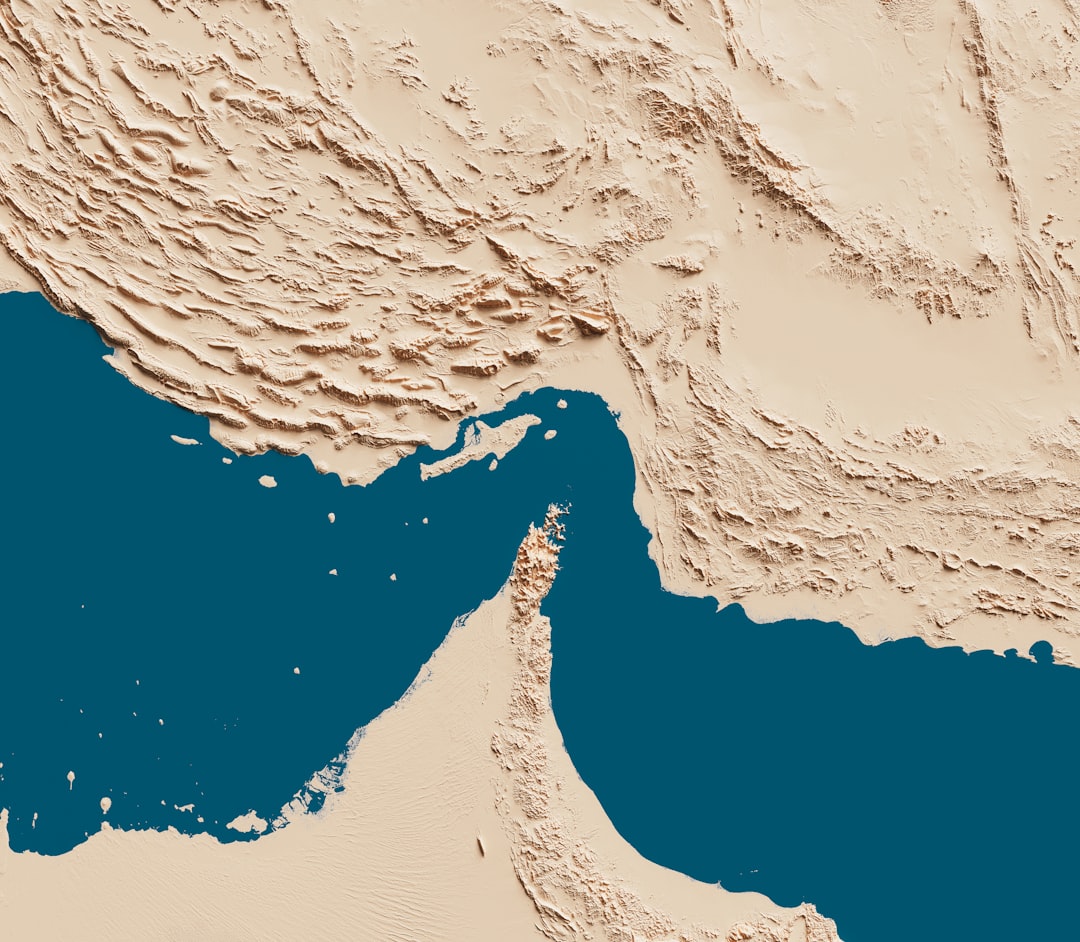

Introduction to Gulf Aviation Sector Expansion The Gulf aviation sector is experiencing rapid expansion, driven by growing demand for air travel and increasing investments in infrastructure. The region's strategic location, situated at the crossroads of Europe, Asia, and Africa, makes it an ideal hub for international air travel. The expansion of the Gulf aviation sector is expected to have a significant impact on the regional economy, creating new job opportunities and stimulating economic growth. In recent years, the Gulf region has witnessed a surge in air travel, with many airlines and airports in the region experiencing significant increases in passenger traffic. This growth is driven by a combination of factors, including the region's growing economies, increasing tourism, and the expansion of airline networks.
The expansion of the Gulf aviation sector is also driven by significant investments in infrastructure, including the development of new airports and the expansion of existing ones. Many Gulf countries are investing heavily in the development of their aviation infrastructure, with a focus on creating world-class airports that can compete with major hubs in other regions. For example, the Dubai International Airport is undergoing a major expansion, with the aim of increasing its capacity to 146 million passengers per year by 2026. Similarly, the Qatar Airways has announced plans to develop a new airport in Doha, which is expected to have a capacity of 50 million passengers per year. The expansion of the Gulf aviation sector is also driven by the growth of low-cost carriers, which are increasingly popular in the region. Many low-cost carriers have established themselves in the Gulf region, offering affordable fares and convenient travel options to passengers. The growth of low-cost carriers has increased competition in the region, leading to lower fares and better services for passengers.
The Future of Gulf Aviation Sector Expansion The future of the Gulf aviation sector looks promising, with many opportunities for growth and expansion. The region's growing economies, increasing tourism, and the expansion of airline networks are expected to drive demand for air travel, creating new opportunities for airlines and airports. The Gulf region is also expected to play a major role in the development of the global aviation industry, with many countries in the region investing in the latest technologies and innovations. The expansion of the Gulf aviation sector is also expected to have a significant impact on the regional economy, creating new job opportunities and stimulating economic growth. Many countries in the region are expected to benefit from the expansion of the aviation sector, with the creation of new jobs and the stimulation of economic growth. In addition, the expansion of the Gulf aviation sector is also expected to increase tourism in the region, with many new destinations and travel options becoming available to passengers. The Gulf region is also expected to become a major hub for cargo traffic, with many airlines and airports in the region investing in cargo handling facilities and logistics. The growth of the Gulf aviation sector is expected to have a significant impact on the regional economy, with the creation of new jobs and the stimulation of economic growth. Overall, the Gulf aviation sector is expected to continue to expand and grow in the coming years, driven by increasing demand for air travel and significant investments in infrastructure. Join the Arvanz.com community for more insights.